
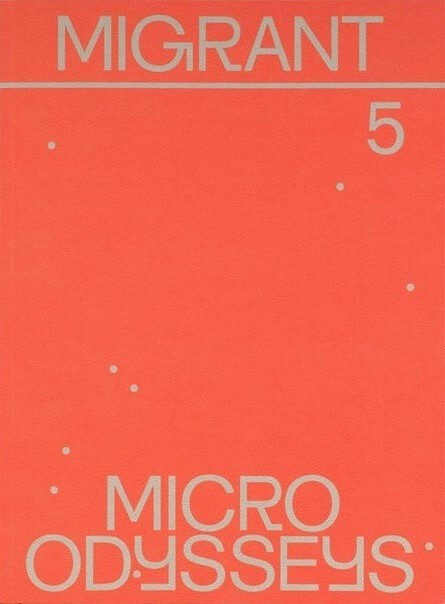

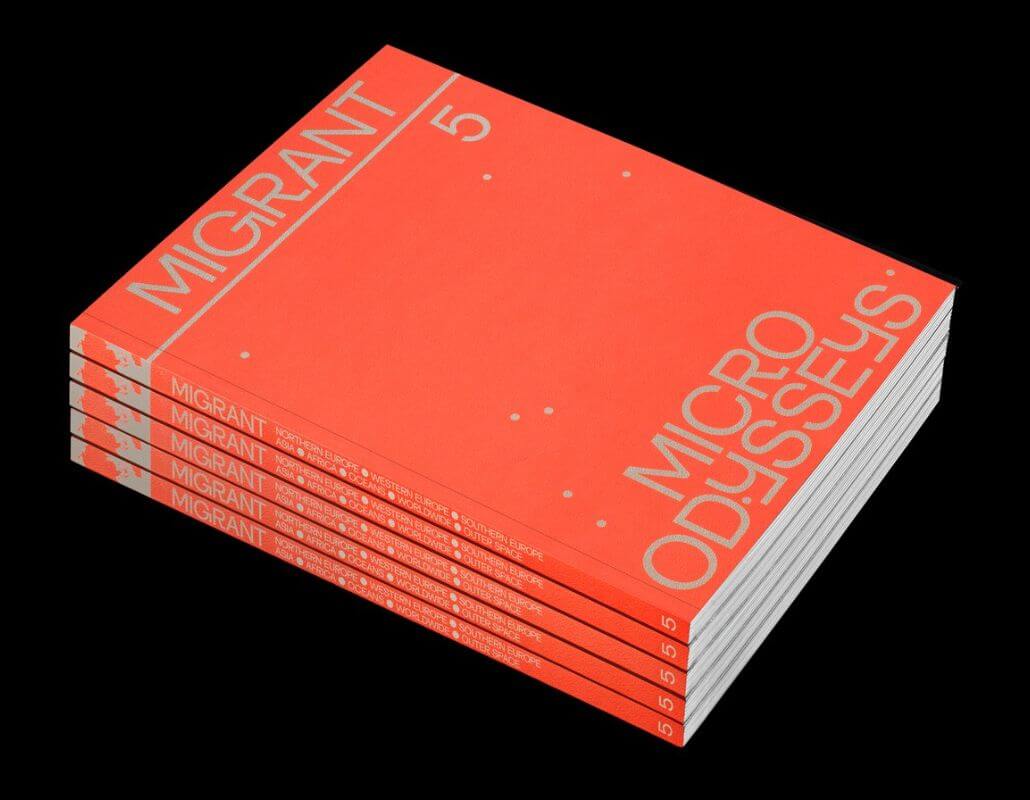
Migrant Journal, No.5 – Micro Odysseys
Migrant Journal explores the circulation of people, goods, information, but also fauna and flora, around the world and the transformative impact they have on space. While migration is part of humanity’s genesis, it seems the phenomenon has become ubiquitous, happening faster, with complex ramifications.
Migrant aims at exploring the relationship between these elements, events, journeys and spaces bound under the idea of ‘migration’ in all its forms, crucial to understand today’s society.
In order to break from the prejudices and clichés of migrants and migration, Migrant asks artists, journalists, academics, designers, architects, philosophers, activists and citizens to rethink our approach to migration and critically explore the new spaces it creates.
In this issue:
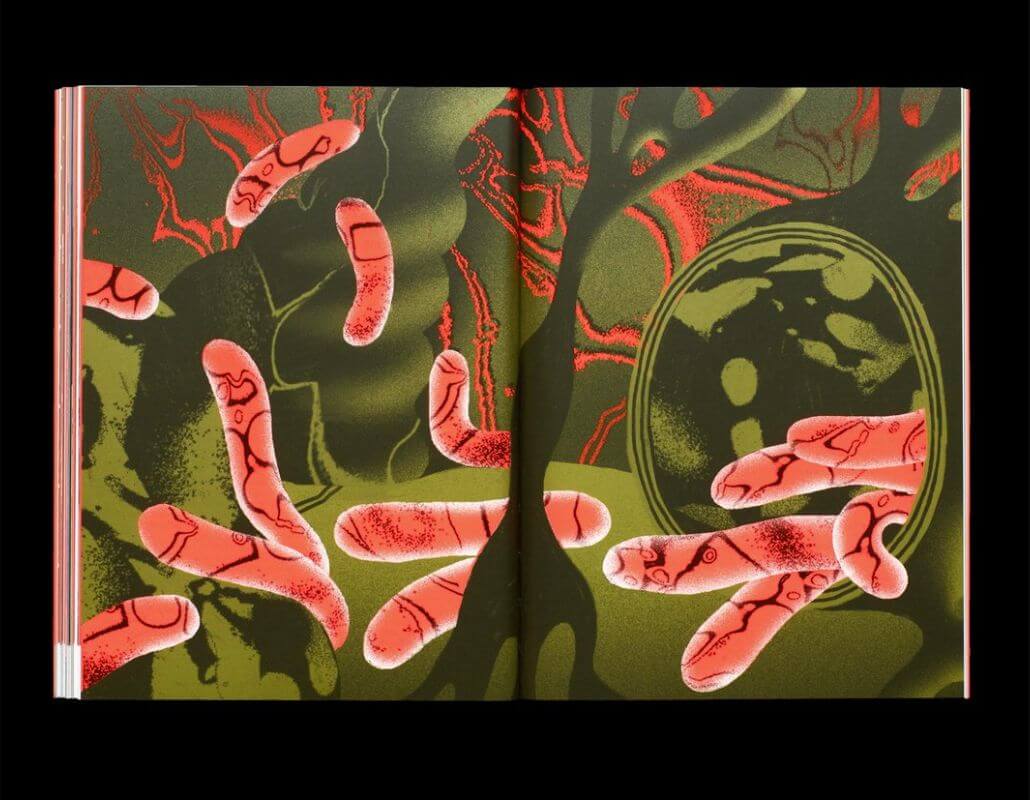
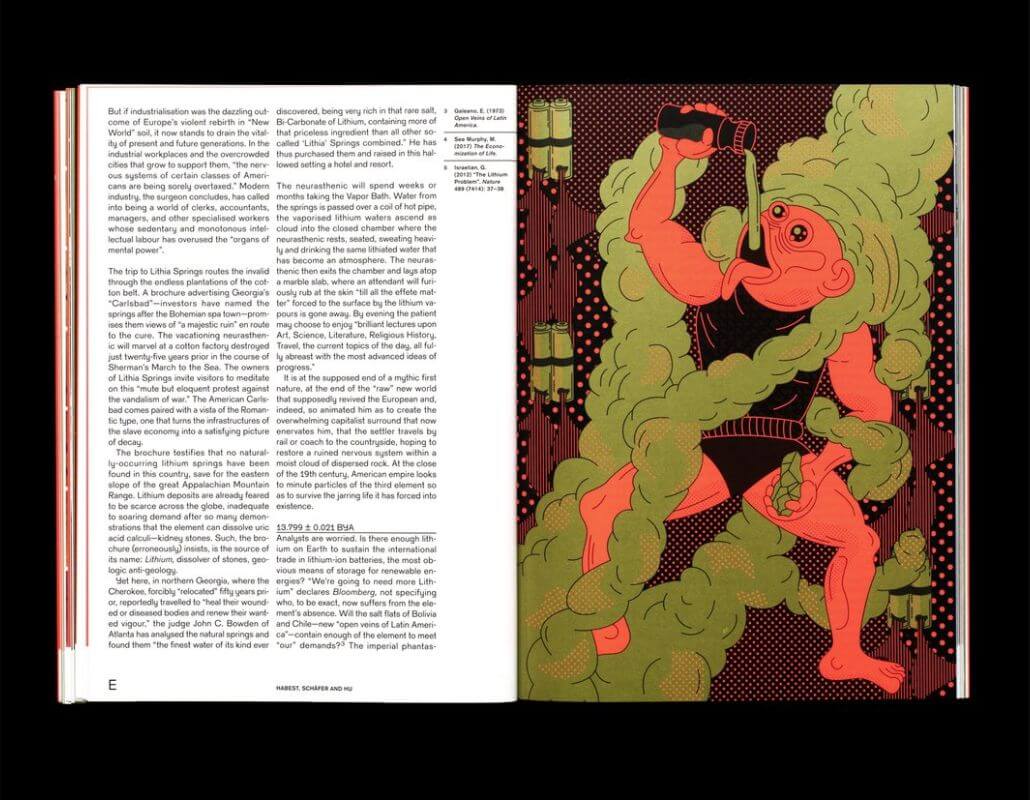
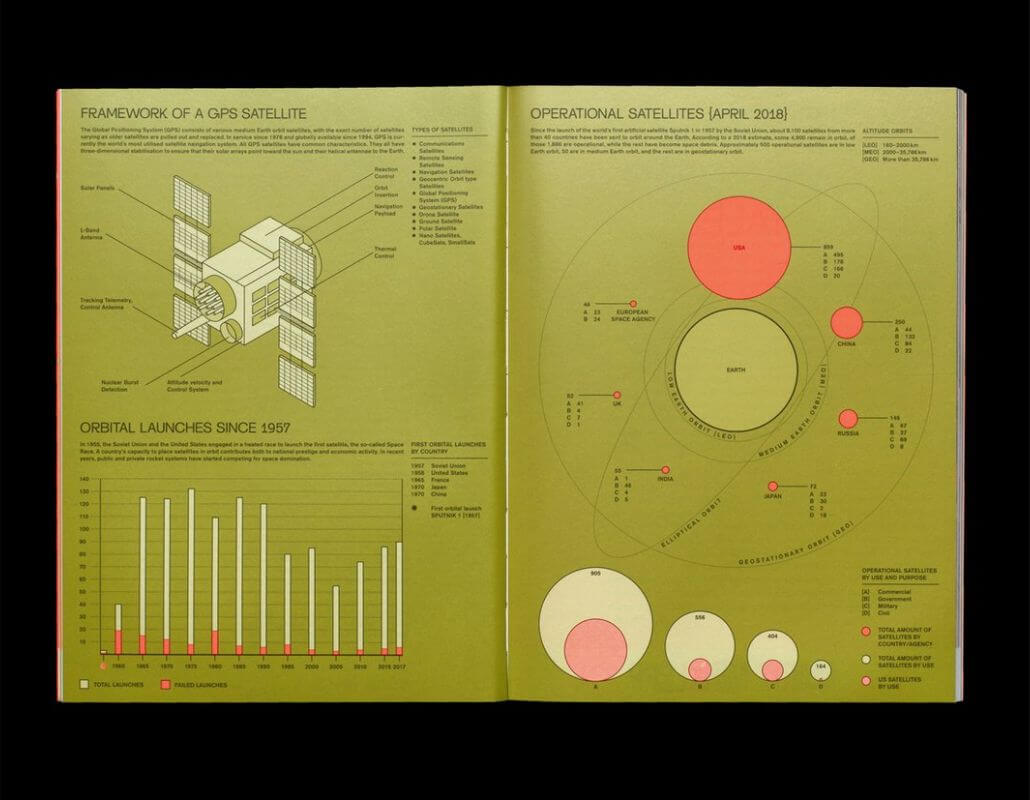
Obsessed by the movements of humans, the ‘big picture’ and the mega-infrastructure that make their circulation possible, we forget that every great journey has its origin below the radar. The planetary and the microscopic are not necessarily in opposition—life is but a flow of minerals. At the micro scale, the biological and the geological become one, with metabolism interlinking human and non-human entities. Disease, from the plague to H1N1, travel mysteriously and are therefore terrifying—fear moving faster than bacteria. Seeds, plants, fauna have travelled the world, and back again, echoing humanity’s stories of exploration, exploitation and colonisation.
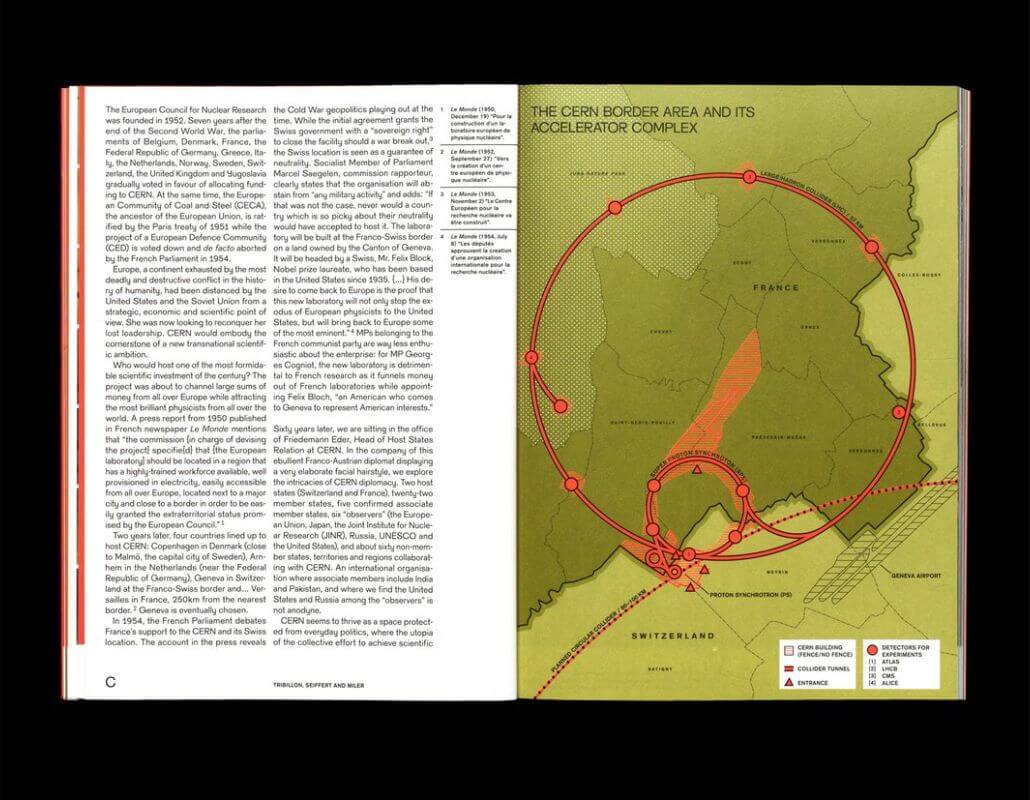
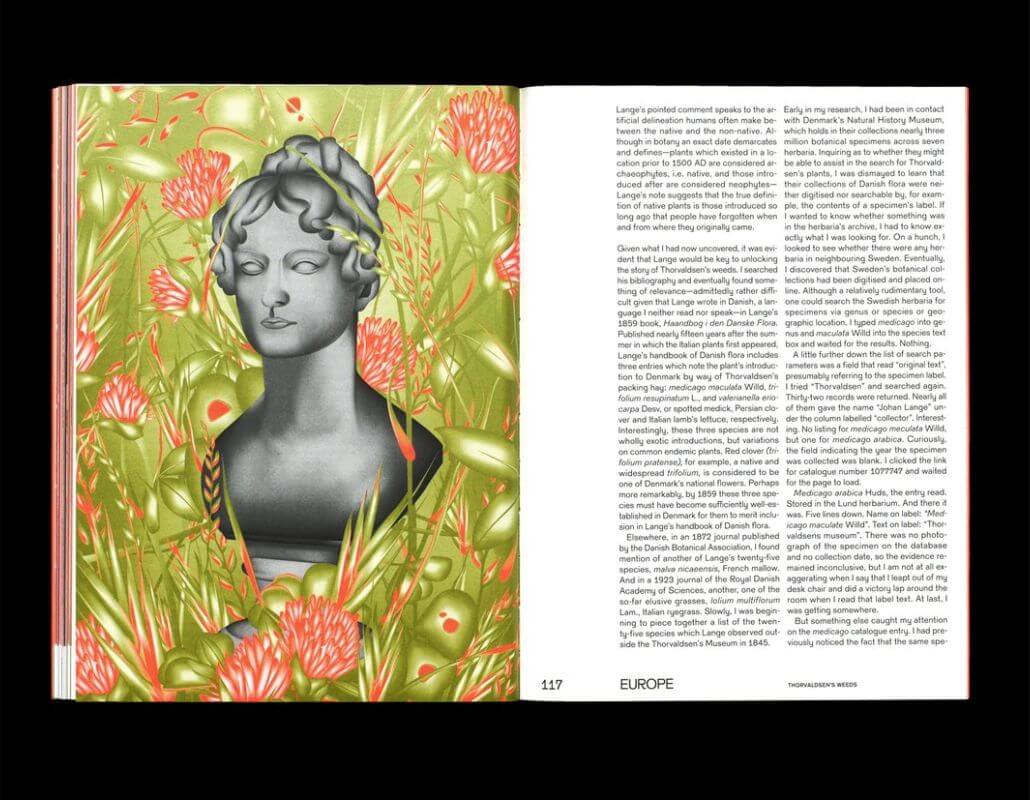
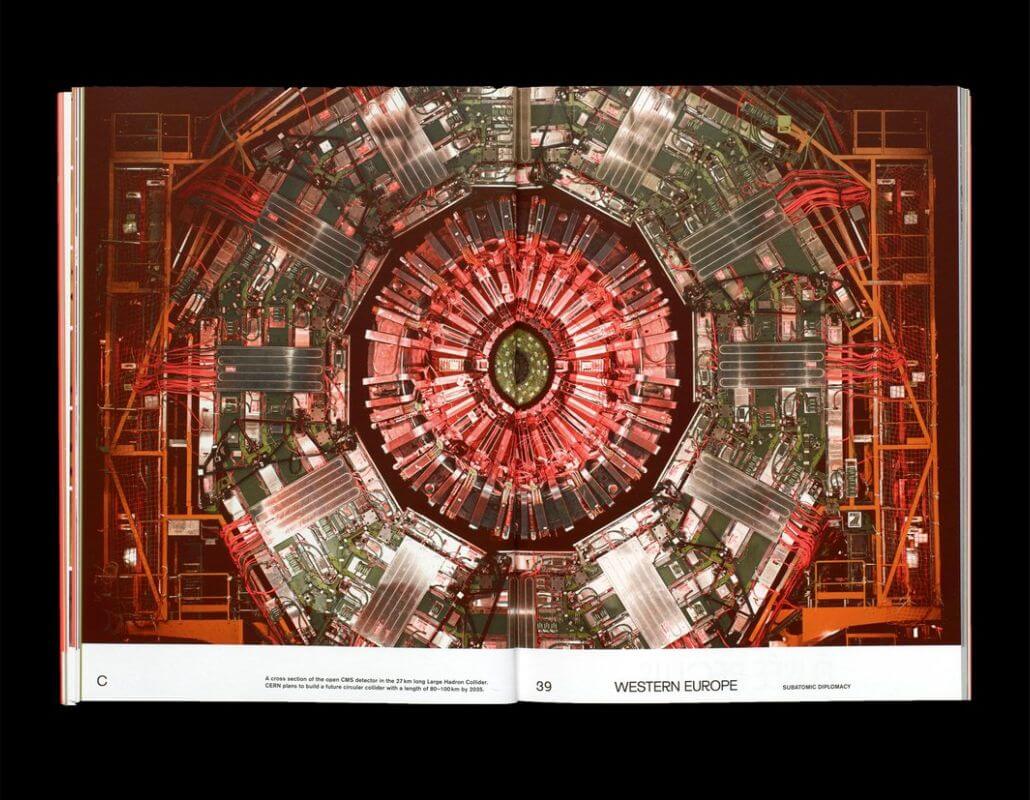
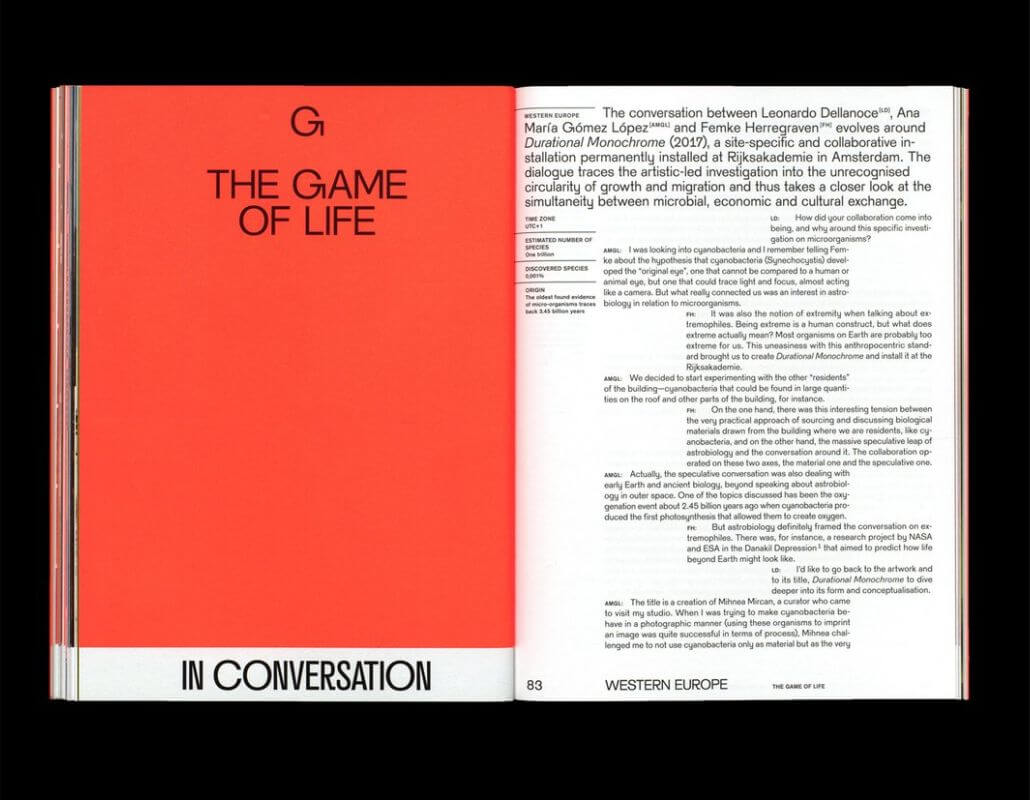
In ‘MICRO ODYSSEYS’, the fifth and penultimate issue of Migrant Journal, we explore the microscopic in movement: from shooting stars to shifting sands, bacteria in Estonia and particles in Geneva, mosquitoes in fascist Italy and tuberculosis in Indian cities, micro-plastics floating in the Pacific Ocean, Roman weeds and their mysterious migration to Copenhagen.



Top 10 Magazines - March 2020
-

 i-D Rihanna Zine Magazines 349 SEK
 -
 Yolo Journal, Issue 3 Magazines 249 SEK
 -
 Wm Brown, Issue 4 Magazines 275 SEK
 -
 Unconditional Nº9 Magazines 249 SEK
 -
 AnOther Magazine, S/S20: Dries Van Noten Magazines 199 SEK
 -
 Purple Fashion, Spring/Summer 2020 – Brain Magazines 475 SEK
 -
 Kennedy, Issue 11 Magazines 249 SEK
 -
 The Face, Volume 4. Issue 2. Magazines 195 SEK
 -
 The Gentlewoman – The Mini Magazine Magazines 295 SEK
 -
 Love Magazine, Issue 23 – SS20 Magazines 169 SEK